Earthquake Retrofit in Pasadena


The Leading Earthquake Retrofitting Experts
Pasadena has no shortage of older homes, raised foundation construction, and buildings that were built long before current seismic standards became common practice. In a region where seismic activity is a big part of the landscape, earthquake retrofitting gives homeowners and building owners a way to reduce risk before a major earthquake causes severe damage. For Pasadena properties, that often means improving the connection between the house and the foundation, reinforcing vulnerable walls, and addressing weak points that can fail when the ground starts moving.
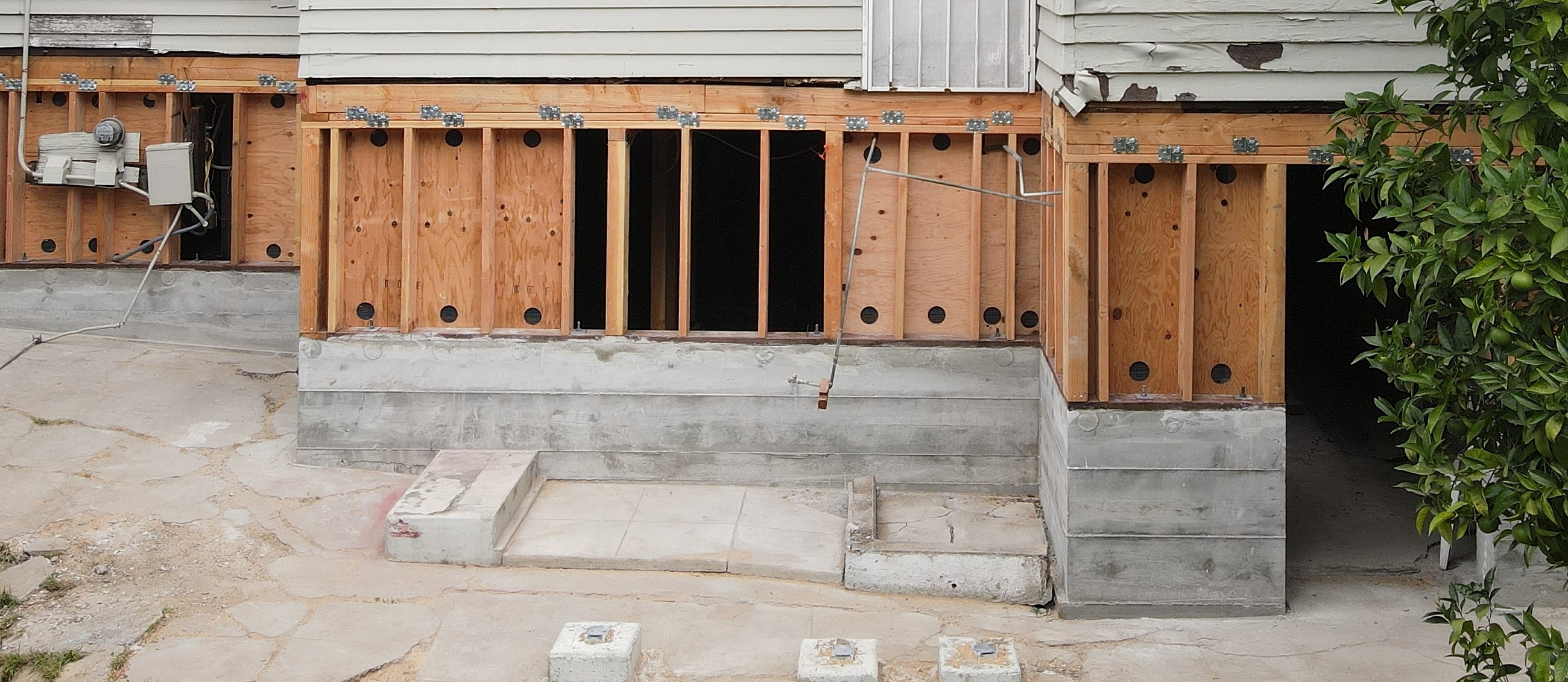
Earthquake retrofitting is the process of strengthening an existing structure so it can better handle earthquake forces and other seismic forces. The work is meant to improve earthquake resistance by reinforcing the structural elements that keep a house stable during shaking. Depending on the structure, seismic retrofitting may include foundation bolting, house bolting, anchor bolts, foundation plates, wall bracing, shear walls, cripple wall bracing, and other forms of structural reinforcement.
In Pasadena, many older homes have a raised foundation with a crawl space below the main floor. That area often contains cripple walls or short wood walls that were built before modern building codes addressed how houses should connect to a concrete foundation. When those conditions are left uncorrected, the structure may be more exposed to earthquake damage in a major earthquake.


Los Angeles County remains one of the most active seismic areas in the country, and Pasadena sits squarely within that larger pattern of seismic activity in Southern California. Recent earthquakes have served as a reminder that strong shaking can reach neighborhoods with little warning. For property owners, earthquake retrofitting is one of the most practical ways to protect a house or commercial structure before severe damage occurs.
Many older structures and single-family homes in Pasadena were built before modern building codes required stronger seismic connections. In many older homes, the house rests directly on wood framing that is not adequately secured to the concrete foundation with anchor bolts. Others have weak cripple walls, soft-story conditions, or wood-framed walls that do not provide sufficient lateral stability. Those issues increase the risk of collapse, cripple wall collapse, or major structural damage when a major earthquake hits.
It makes sense to strengthen a house before the next earthquake exposes every weak connection at once. Earthquake retrofitting helps protect people inside the building, reduces the risk of major structural damage, and can limit the kind of displacement that turns a repair project into a much larger problem.
For homeowners, house bolting and cripple wall bracing are often the most important first steps. They help connect the house to the foundation and stabilize the walls in the crawl space that tend to perform poorly during strong shaking. For larger buildings, seismic retrofitting may also involve shear walls, wall bracing, steel frames, and additional connection upgrades. The exact scope depends on how the structure was built, how it has aged, and whether previous earthquake damage or foundation repair issues are already present.
Retrofitting can also carry practical financial value. Some owners pursue seismic protection because they want to reduce loss exposure, some want insurance savings, and others need to address code requirements tied to soft story buildings or other known structural risks. Whatever the motivation, the goal is the same: protect the structure before severe damage happens.
Listen to Alpha Structural President, Dave Tourjé on KPCC's AirTalk with host, Larry Mantle talk about Earthquake Retrofitting in Los Angeles
Listen NowThe work begins with a close look at the existing structure. Effective earthquake retrofitting depends on knowing the condition of the foundation, the crawl space, the cripple walls, and the framing that sits above them. In Pasadena, that assessment often includes older homes built on varied soil conditions, properties with remodel history, and houses where earlier repairs did not fully address the connection between the house and its foundation.
A retrofit should be installed on a stable base. If the concrete foundation has cracks, settlement, prior earthquake damage, or unresolved foundation repair needs, those issues have to be considered first. A house with a weak or deteriorated foundation is not getting the full benefit of seismic retrofitting until those problems are corrected.
Once the condition of the structure is understood, a scope is developed around the actual needs of the property. Some projects involve a simple retrofit focused on foundation bolting, anchor bolts, and cripple wall bracing. Others require wall bracing, shear walls, framing anchors, or steel frames to improve the building’s lateral stability and overall connection. The goal is to create a stronger load path so earthquake forces move through the structure with less chance of severe damage.
Cost depends on the type of house, the condition of the foundation, crawl space access, and how much retrofitting is needed. Some Pasadena projects are fairly direct. A simple retrofit may focus on house bolting, foundation bolting, anchor bolts, and cripple wall bracing. Other projects involve more than that, especially when previous earthquake damage, soft story issues, or additional foundation repair work must be addressed first.
For many homeowners, the better comparison is retrofit cost versus the cost of repairing earthquake damage after a major earthquake. Major structural damage, damaged walls, broken concrete, and emergency stabilization work usually cost far more than strengthening the structure before the event. That is one reason home earthquake retrofitting continues to make sense for many older homes across Pasadena.
Homeowners should also review available assistance programs. The Golden Retrofit and EBB program can help certain owners offset part of the cost if the home qualifies. The source page also points readers to the Earthquake Brace + Bolt program for qualifying projects.
The EBB program can help eligible homeowners reduce the cost of approved retrofitting work. If a Pasadena house qualifies, grant funds may be available for items such as foundation bolting and cripple wall bracing on raised foundation homes. Alpha Structural can help homeowners understand the process, review whether the house appears to fit the program, and plan many projects around the required scope. The source page specifically references the Earthquake Brace + Bolt program as a funding resource.
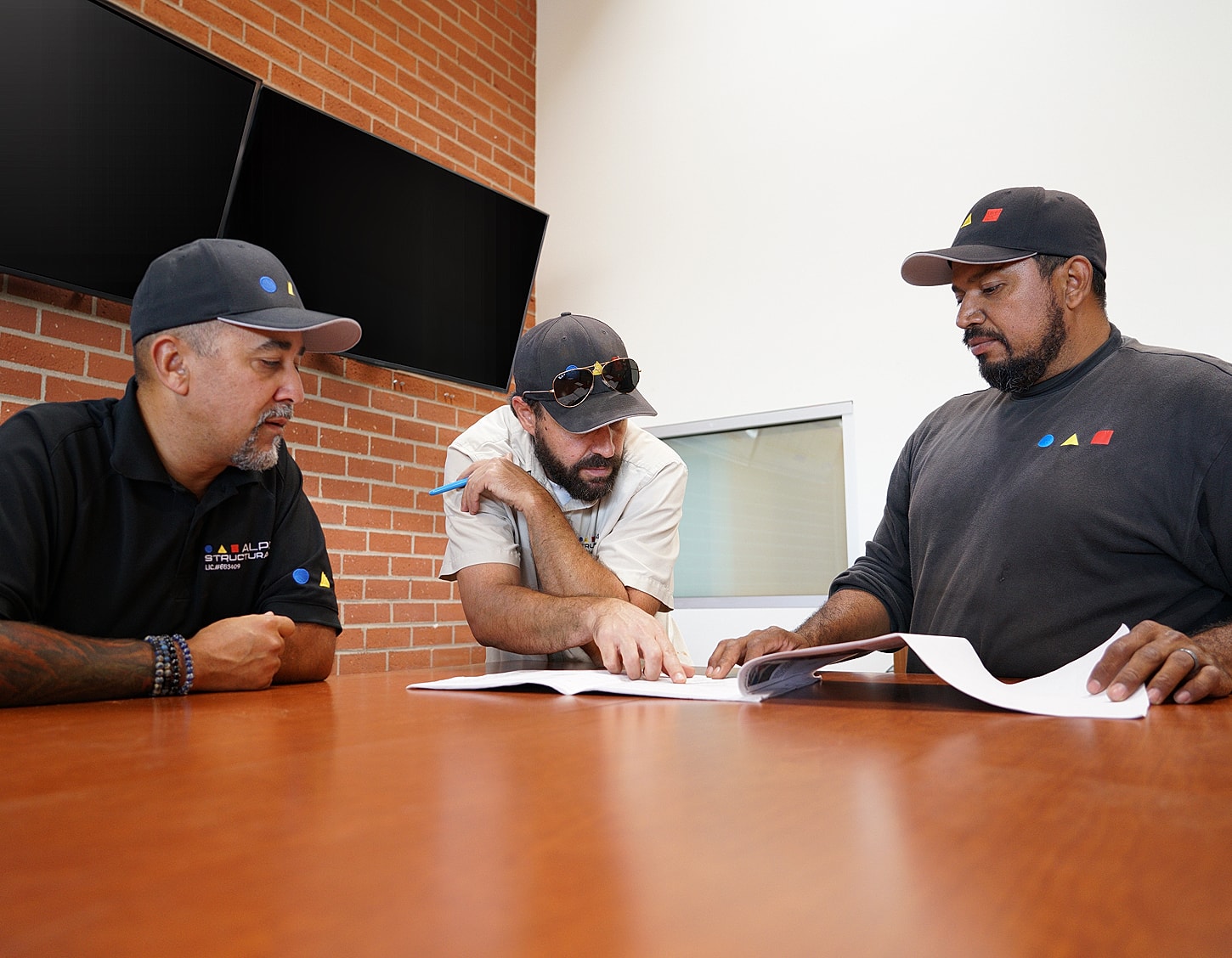
Alpha Structural handles structural engineering and construction in-house, which gives property owners a more coordinated path from inspection to retrofit work. On earthquake retrofitting projects, that matters because the details of the connection matter. The house, the foundation, the crawl space, and the walls all need to be evaluated as one system, not as separate line items.
For Pasadena owners, local experience also matters. Many engineers and contractors can talk in general terms about seismic retrofitting, but Pasadena’s housing stock includes many older homes, raised foundation systems, additions built across different eras, and properties shaped by years of patchwork repair. Alpha’s approach is to review the actual structure, identify what needs to be corrected, and keep the scope practical. The company’s site also highlights its long track record, in-house model, and extensive experience with foundation and seismic work across Los Angeles and Southern California.
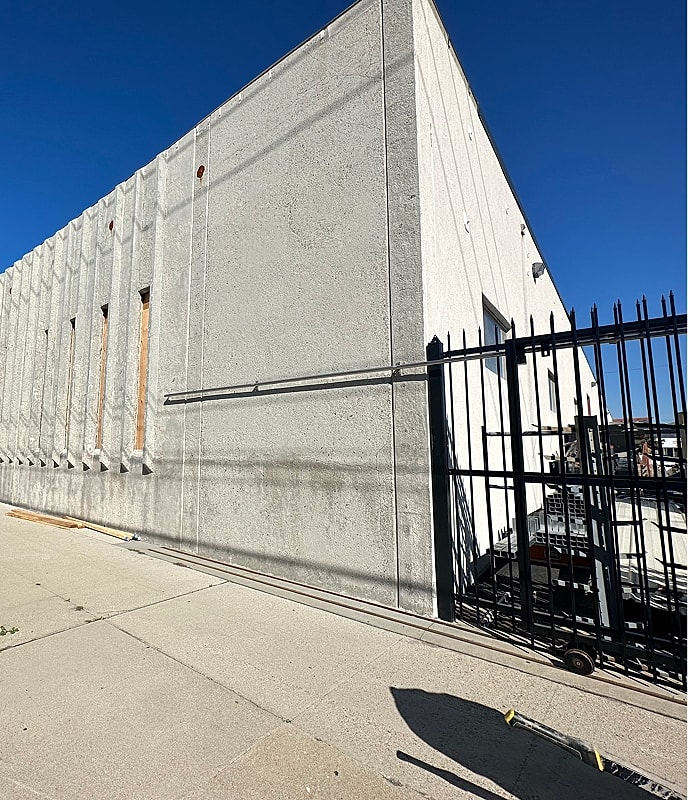
Soft story buildings have a weak lower level that cannot adequately resist earthquake forces. That weak point is often created by open parking, large openings, or wall lines that lack enough stiffness and support. In a major earthquake, that lower level can suffer severe damage or collapse, putting the rest of the structure at risk.
Alpha Structural’s source page includes soft story retrofit language as part of its broader earthquake retrofitting offering. For Pasadena-area building owners, that means reviewing whether the property has a soft story condition and whether it needs steel frames, shear walls, wall bracing, or other structural reinforcement to improve performance and comply with applicable rules. The source page also links this issue to Los Angeles soft story retrofit requirements.
The following list represents just some of the types of foundation repair we specialize in:



Alpha Structural is thrilled to announce our partnership with GreenSky Financing, offering convenient financing options for your structural projects. Whether you need foundation repairs, seismic retrofitting, or other enhancements, our seamless financing solution through GreenSky empowers you to tackle your project with confidence. With flexible payment plans and competitive interest rates, you can now address crucial structural needs without financial constraints. Contact Alpha Structural today to learn more and embark on your home improvement journey with ease.
If your Pasadena property has a raised foundation, weak cripple walls, visible earthquake damage, or an older structure that has never been reviewed for seismic protection, now is the time to act. Retrofitting is far easier to plan before the next major earthquake exposes every vulnerable connection at once.
Alpha Structural provides inspections, structural engineering guidance, foundation repair recommendations when needed, and earthquake retrofitting for Los Angeles area properties. If your goal is to protect the house, lower risk, and make informed decisions about the structure before major damage occurs, schedule an assessment and get a clear scope for the work.
Call Alpha Structural today at (323) 258-5482 to schedule an appointment.