Earthquake Retrofit in South Pasadena


The Leading Earthquake Retrofitting Experts
South Pasadena has a large concentration of older homes, many with raised foundation construction and crawl spaces that were built long before current seismic standards took shape. In a region where seismic activity is part of daily life, earthquake retrofitting gives homeowners and property owners a practical way to reduce damage risk before a major earthquake puts that structure to the test.
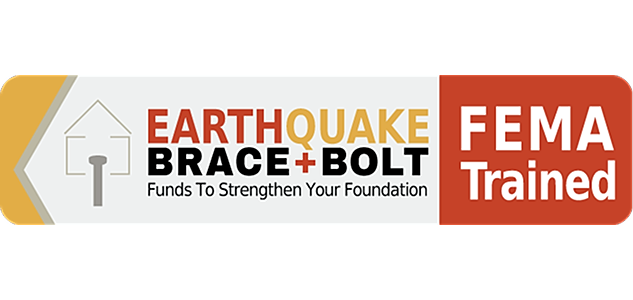
Earthquake retrofitting is structural work that helps an existing structure perform better during an earthquake. The goal is to improve the way the house, the walls, and the foundation work together when seismic forces move through the building. Depending on the property, this can include foundation bolting, anchor bolts, foundation plates, shear walls, wall bracing, cripple wall bracing, and other forms of structural reinforcement.
For many South Pasadena homes, especially those with a raised foundation, home earthquake retrofitting starts below the floor in the crawl space. That is often where weak connections, unbraced cripple walls, and older framing details leave the house exposed to earthquake damage.


Los Angeles remains one of the most active seismic regions in the country, and South Pasadena sits squarely within that reality. Recent earthquakes across Southern California have shown how fast shaking can expose weak structural elements in older homes and buildings. A retrofit helps improve earthquake resistance, strengthen the connection to the concrete foundation, and lower the chance of severe damage or collapse.
Many older homes in South Pasadena were built before modern building codes required stronger seismic connections. That matters because older structures often have limited anchor bolts, weak short wood walls, or cripple walls that can shift under earthquake forces. In a major earthquake, those weak points can lead to major structural damage, especially when the house is not securely connected to the foundation.
Earthquake retrofitting matters because the cost of inaction can be far higher than the cost of a well-planned retrofit. In earthquake country, a house that is poorly connected to its foundation is more vulnerable to sliding, racking, cripple wall collapse, and other failures that can make a home unsafe after a major earthquake.
For homeowners, the benefit is straightforward. A stronger connection between the house and its foundation can help protect the living space above, reduce the chance of severe damage, and improve long-term performance. For building owners, seismic retrofitting can also support code compliance, lower liability exposure, and, in some cases, create insurance savings. The work is not cosmetic. It is about protecting the structure before earthquake damage becomes expensive, disruptive, and hard to unwind.
Listen to Alpha Structural President, Dave Tourjé on KPCC's AirTalk with host, Larry Mantle talk about Earthquake Retrofitting in Los Angeles
Listen NowThe first step is understanding the current condition of the property. Effective earthquake retrofitting begins with a close look at the foundation, the crawl space, the cripple walls, and the framing that sits above them. In South Pasadena, that review often includes homes built on sloped lots, properties with long renovation histories, and older homes where prior repairs may not have addressed the real structural issues.
Once the inspection is complete, the next step is to identify any pre-existing foundation repair needs. Retrofitting a damaged or unstable foundation will not deliver the protection a homeowner expects. If the concrete foundation has cracking, settlement, or earlier earthquake damage, those conditions need to be accounted for in the scope.
After that, the retrofit work can begin. Depending on the structure, the project may include house bolting, foundation bolting, anchor bolts, expansion bolts, cripple wall bracing, wall bracing, shear walls, and stronger framing connections between structural elements. In some projects involving soft story conditions or larger openings, steel frames may be required to improve lateral stability. The right approach depends on how the house was built, how the loads travel through the structure, and where the weak points are today.
Cost depends on the size of the house, the condition of the foundation, the accessibility of the crawl space, and the amount of structural reinforcement required. Some South Pasadena projects are fairly direct and involve a simple retrofit with house bolting, anchor bolts, and cripple wall bracing. Others involve added wall bracing, shear walls, soft story upgrades, or related foundation repair before the retrofitting work can move forward.
For many homeowners, the more useful question is not whether retrofitting has a cost. It does. The better question is how that cost compares with major earthquake damage after a large seismic event. Repairing a shifted house, broken walls, damaged floor framing, or a compromised concrete foundation usually costs more than addressing the weak connection points before a major earthquake occurs.
Homeowners may also want to look at Golden Retrofit funding opportunities and the EBB program to see whether the home qualifies for assistance with eligible seismic retrofitting work. The Earthquake Brace + Bolt program is intended for certain qualifying houses with raised foundation construction, including homes where foundation bolting and cripple wall bracing are the primary scope.
The EBB program can help eligible homeowners offset part of the cost of home earthquake retrofitting. If your home qualifies, grant funds may be available for approved work such as foundation bolting and cripple wall bracing. Alpha Structural can help South Pasadena homeowners understand whether the property appears to fit the program criteria and what paperwork is typically involved.
Alpha Structural approaches seismic retrofitting with in-house engineering and construction, which keeps the inspection, planning, and field work aligned under one roof. This matters in earthquake retrofitting projects because the quality of the connection is everything. A scope that looks fine on paper still has to make sense for the actual house, the actual foundation, and the actual conditions found in the crawl space.
For South Pasadena owners, local experience matters too. Many homes built in this area reflect older construction methods, raised foundation systems, and years of incremental updates that can complicate a retrofit. Alpha’s approach is to evaluate what the structure needs and narrow the work to the scope that makes sense. That practical, cost-aware philosophy fits the company’s long-standing position: FIX IT RIGHT. FIX IT ONCE. The company also emphasizes its decades in business, extensive inspection volume, and in-house design-build model across Los Angeles and Southern California.
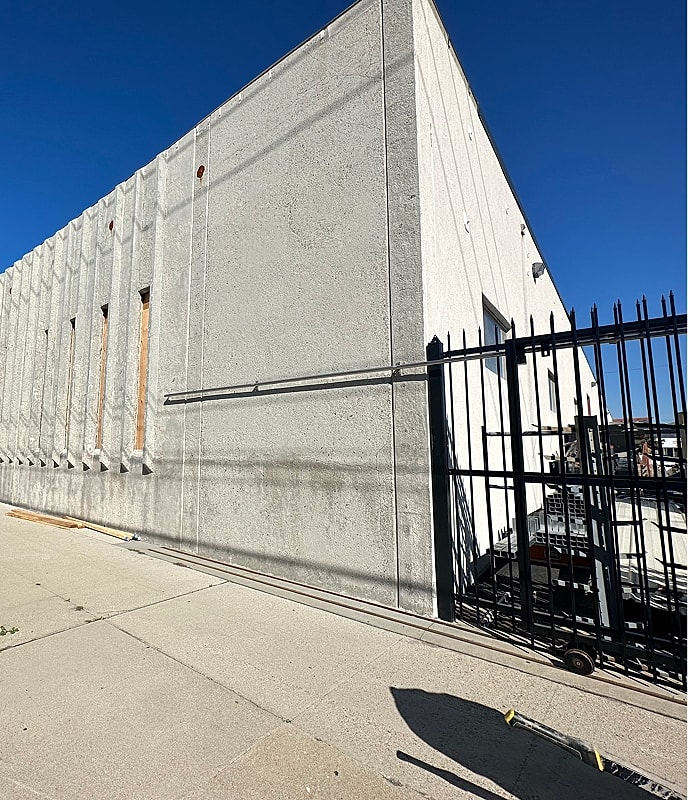
Soft-story buildings are especially vulnerable because the lower level lacks enough strength or stiffness to handle earthquake forces. Open parking, large openings, and weak wall lines can create a condition where the lower story becomes the failure point during strong shaking. That can lead to severe damage or collapse.
In South Pasadena, qualifying pre-1978 wood-frame soft-story buildings are subject to the City’s mandatory retrofit program. For building owners with soft-story properties in or around South Pasadena, that makes early review important. Depending on the structure, the retrofit may include shear walls, steel frames, wall bracing, and related structural reinforcement measures required to improve performance and satisfy ordinance requirements.
The following list represents just some of the types of foundation repair we specialize in:



Alpha Structural is thrilled to announce our partnership with GreenSky Financing, offering convenient financing options for your structural projects. Whether you need foundation repairs, seismic retrofitting, or other enhancements, our seamless financing solution through GreenSky empowers you to tackle your project with confidence. With flexible payment plans and competitive interest rates, you can now address crucial structural needs without financial constraints. Contact Alpha Structural today to learn more and embark on your home improvement journey with ease.
A retrofit is easier to plan before visible earthquake damage shows up. If your South Pasadena house or building has a raised foundation, older cripple walls, a crawl space with weak bracing, or soft story concerns, now is the time to have it evaluated.
Alpha Structural provides inspections, structural engineering guidance, foundation repair recommendations when needed, and earthquake retrofitting for Los Angeles area properties. If your goal is to protect the structure, reduce risk, and make informed decisions before the next major earthquake, schedule an assessment and get a clear scope for the work.
Call Alpha Structural today at (323) 300-2195 to schedule an appointment.