
The Impact of Soil Types on Home Foundations
What’s Beneath Your Home Shapes Everything Above It
Homeowners think about leaks. Maybe termites. Rarely the ground. But long before a foundation cracks, the soil has already made its move. Some shift with moisture. Some compress too easily. Others expand with just a little rain—and then shrink in summer until the ground gives way. What’s under your house isn’t static. It’s alive with potential risk.
This article breaks down how different soil types interact with home foundations, why your region and climate matter, and what actions can actually prevent structural damage—before you’re calling in repairs that cost five figures.
Clay, Sand, Silt, and Rock
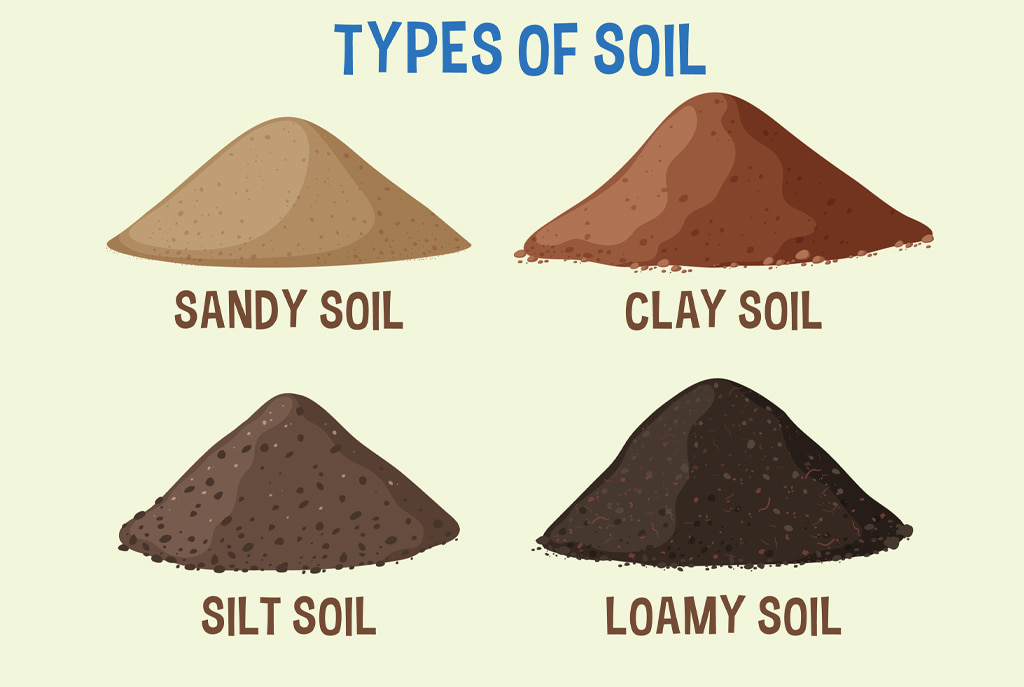
How Each Soil Type Affects Stability
Clay Soils (Expansive Soils)
Clay is the troublemaker of residential foundations. When it rains, clay swells. When it dries, it shrinks. That expansion and contraction doesn’t just pull at your foundation—it moves it. Over time, this creates cracks, heaving, and misaligned doors and windows. It’s not uncommon to see slab-on-grade homes in clay-heavy areas suffer visible upheaval after a wet season.
Sandy Soils
Sandy soil drains fast, which sounds good until your house settles with it. These loose, granular soils don’t hold moisture well and offer less load-bearing strength. While they don’t expand or shrink like clay, they tend to shift under weight—especially if not compacted correctly before building. Homes built on sandy soil often show signs of differential settlement (some parts sinking more than others).
Silty Soil
Silt holds moisture longer than sand but doesn’t bond tightly like clay. This middle-ground material can become overly saturated and soft, putting your foundation at risk of sinking or uneven settling. It also erodes more easily, especially near sloped terrain or areas with poor drainage.
Rocky or Shallow Bedrock
If your home sits on rocky ground, congratulations. That’s typically the most stable foundation material. But challenges still exist—excavation is harder, and homes built too close to the surface without proper footings can experience problems during freeze-thaw cycles or seismic movement.
Weather, Moisture & Movement
How Climate Accelerates Soil Shifts
The real enemy isn’t just the soil—it’s how it reacts to changing moisture.
- In dry regions, clay contracts and creates air pockets under the foundation.
- In wet regions, the same clay expands and pushes upward.
- Areas with both (like California) are trapped in a damaging cycle of movement.
Drought, heavy rain, snowmelt, and even irrigation patterns around your home can change the moisture content in your soil. If that soil is reactive, your foundation is constantly under stress. These changes don’t happen overnight, but their effects compound.
Warning Signs in the House
How Soil Movement Shows Up Inside
It starts small. A door that sticks. A tile that shifts. Then it spreads:
- Cracks in drywall—especially diagonal or stair-step patterns
- Uneven floors that slope or bounce
- Gaps between baseboards and the floor
- Windows that no longer open or lock properly
- Water pooling around the home’s perimeter after storms
Most of these symptoms aren’t caused by the foundation itself, but by the soil beneath it failing to stay consistent.
Prevention Matters
Real-World Ways to Stabilize the Ground
1. Drainage Control
Keep water moving away from the home. Gutters should discharge well past the base of your foundation. Yard grading should direct water downhill, not into your crawl space.
2. Moisture Management
In drought-prone areas with clay soil, consider controlled irrigation. Maintaining consistent soil moisture can reduce movement. Just don’t overdo it.
3. Landscaping Awareness
Large tree roots draw moisture out of soil near the foundation. Keep them 10–15 feet away. Use root barriers if needed.
4. Soil Testing Before You Build
You can’t see what’s under the surface—but you can test it. A professional soil analysis will tell you if your site needs engineered fill, piers, or a different foundation type altogether.
When the Soil’s Already Done Its Damage
How to Know It’s Time for Repair
Surface fixes won’t stop deep structural movement. If cracks are growing or appearing across multiple areas—walls, floors, doors—it’s time to involve a professional. A structural engineer or foundation specialist can determine whether the damage is cosmetic or if deeper stabilization is needed.
Foundation repair strategies vary based on your soil:
- In expansive clay zones, underpinning with steel piers or concrete piles may be necessary.
- On sandy or eroded soils, deep compaction or engineered fill could restore load-bearing capacity.
- On sloped lots, retaining walls and proper drainage may be part of the solution.
FAQs: Soil & Foundation Damage
How can I find out what type of soil my home is on?
Hire a local geotechnical engineer or ask your city’s building department for soil survey data.
Is clay soil always bad for foundations?
Not necessarily—but it requires the right foundation type (e.g., post-tension slabs) and moisture control to avoid movement.
Can landscaping or gardening affect soil stability?
Yes. Overwatering, deep-rooted trees, and poor grading can all contribute to uneven moisture levels near the foundation.
Will a home inspection catch soil-related foundation problems?
Most inspections flag symptoms but don’t dig deep. A foundation specialist or structural engineer offers better insight.
Does insurance cover foundation damage from soil movement?
Typically no—unless the damage is due to a covered event like an earthquake or flood. Check your policy carefully.
Your Foundation Is Only As Strong As What’s Underneath It
Soil isn’t static. It expands, shrinks, shifts, and settles—and it does so silently, until the signs appear upstairs. Whether you’re buying, building, or maintaining a home, knowing your soil type is as essential as knowing your square footage. Stabilize the ground, and you protect everything above it.
Call us today to schedule an inspection or request an estimate